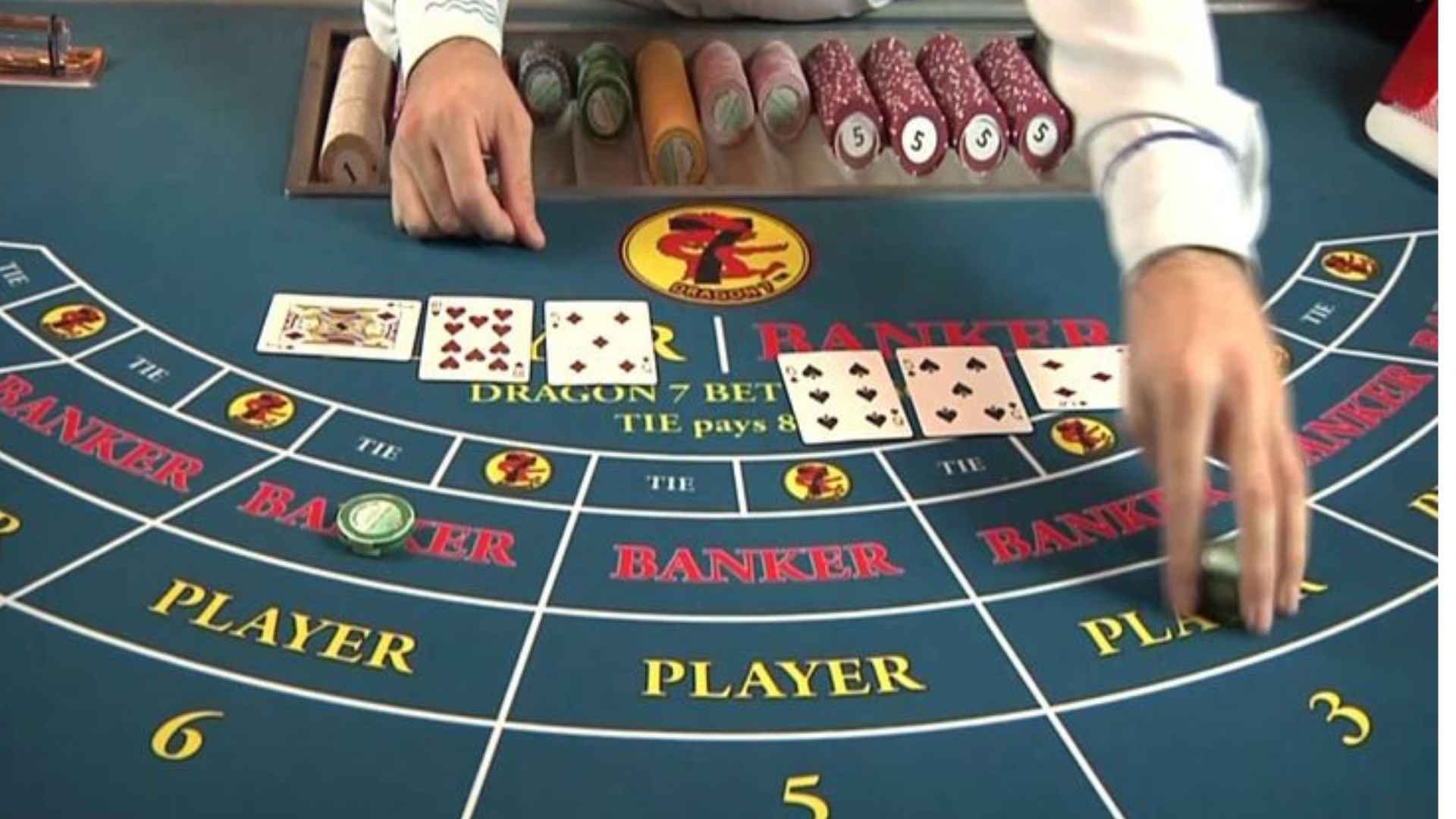
Mastering contract bridge requires a deep understanding of card distribution across the four hands at the table. Successful players do not rely merely on the cards they hold, but systematically reconstruct the hidden layouts of their opponents. By learning how to read the subtle clues dropped during the initial phases, you can significantly improve your strategic decision-making.
The Core Principles of Probability
Every standard deck contains fifty-two cards, which are distributed evenly into groups of thirteen for each participant. Understanding the mathematical likelihood of how the remaining cards break between the defenders is crucial for any aspiring strategist. For instance, when your partnership is missing four cards in a specific suit, they are more likely to split unevenly rather than in a perfect balance.
By keeping these core probability percentages in mind, a declarer can choose the most optimal line of play. Anticipating the most frequent shapes prevents sudden surprises and helps secure difficult contracts. Beginners should practice visualizing these standard patterns regularly until the calculations become second nature during live gameplay.
Extracting Clues from the Bidding Phase
The auction phase is not just a tool for finding the final contract, but also a rich source of hidden information. Every bid made or passed by an opponent reveals specific details regarding their high-card points and suit length distributions. Aggressive interventions usually signal a highly unbalanced hand with an abundance of cards clustered in a single suit.
Conversely, completely silent opponents often hold balanced layouts that lack significant high honors. Experienced players carefully piece these contextual fragments together to build an accurate mental model of the table before a single card is played. Utilizing a trusted M88 link login enables enthusiasts to test these analytical deductions across numerous virtual card platforms.
Tracking Discards and Defensive Signals
As the active play unfolds, every card played by the defenders serves as an additional clue to their remaining layout. Strategic defenders use specialized signaling systems to communicate their exact holdings to their partners without violating table rules. Paying close attention to the value of the cards discarded can instantly clarify the location of missing honors.
When an opponent fails to follow suit, the exact layout of that particular suit becomes immediately known. This critical turning point allows the declarer to alter their strategy and safely execute necessary finesses. Continual observation ensures that you capitalize on every piece of information revealed during the defensive rounds.
Developing Long-Term Strategy Mastery
Achieving absolute proficiency in card reading is a gradual process that demands patience and regular mental exercise. Successful enthusiasts often recommend reviewing previous hands to identify missed clues and incorrect distribution assumptions. Over time, this disciplined analytical habit transforms casual guessing into precise tactical execution.
Furthermore, strong partnership coordination helps both players align their defensive strategies based on shared layout tracking. Recognizing how different distribution patterns influence game outcomes ultimately elevates your entire performance level. Dedication to these subtle nuances ensures steady growth and more consistent victories at the competitive table.