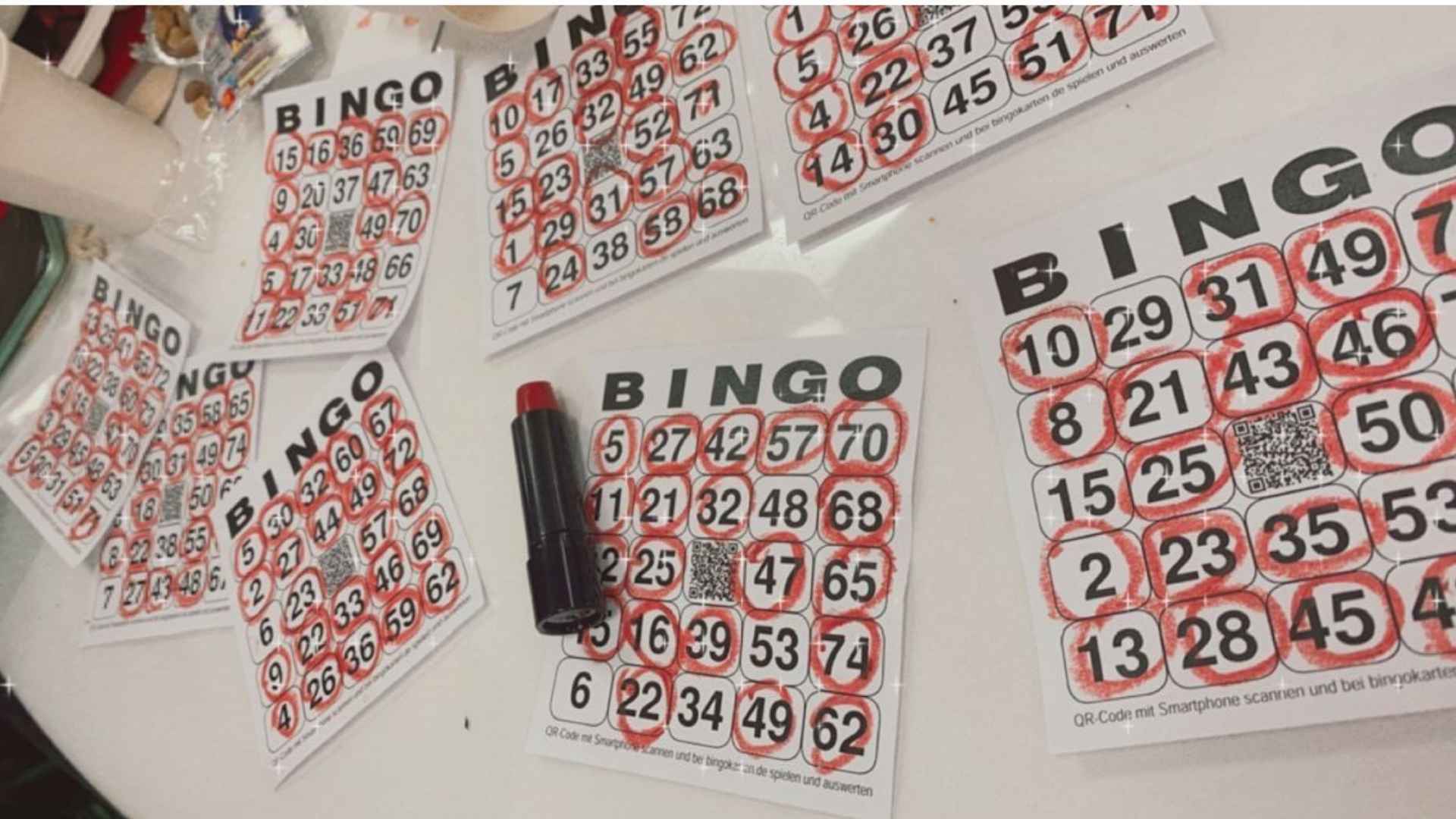
When participating in number-based draws or digital games, players often notice patterns that seem surprisingly rare at first glance. Among these patterns, drawing three consecutive numbers like 14, 15, and 16 frequently sparks curiosity regarding actual mathematical odds. Understanding how probability governs consecutive digit occurrences helps demystify random outcomes and clears up common misconceptions surrounding number draws.
The Mathematical Foundations of Sequential Draws
In any randomized number selection system, the total pool size dictates how combinations are calculated. When picking multiple numbers from a set, combinatorics establishes the exact count of all potential outcomes. Within these vast possibilities, specific sequential patterns make up a predictable fraction of the overall mathematical space.
Many people assume that sequential numbers are far less likely to appear than a spread-out distribution of digits. However, in pure random selection, every individual valid combination carries the exact same mathematical probability of being drawn. The perception of rarity comes from human psychology, which groups consecutive numbers into a single memorable category.
Calculating the Odds of Consecutive Triplets
To determine the exact chance of matching three consecutive numbers, analysts evaluate the total number of possible three-digit blocks within a given range. For instance, in a selection pool of 1 to 50, sequences like 1-2-3 or 25-26-27 represent specific subsets within thousands of available combinations. The total size of the draw pool directly impacts the frequency at which these triplets manifest.
As the total number pool increases, the likelihood of drawing three adjacent digits naturally decreases. Conversely, games that select a larger quantity of numbers per round significantly boost the chances of hitting at least one consecutive triplet. Evaluating these variables provides a realistic perspective on how often sequential numbers naturally surface.
Psychological Perception vs Real Statistics
Human intuition often struggles with randomness, leading players to mistake natural statistical occurrences for anomalies or fixed events. When three consecutive numbers are drawn, observers frequently view it as a bizarre coincidence rather than a normal byproduct of random distribution. This cognitive bias highlights why objective mathematical modeling is essential for evaluating draw results.
Tracking statistical outcomes over thousands of simulated drawings demonstrates that consecutive runs occur with reliable regularity over long sample periods. Recognizing that independent events yield unpredictable short-term patterns encourages a more rational approach to analyzing data. Maintaining realistic expectations prevents players from over-interpreting temporary numeric trends.
Practical Insights for Probability Enthusiasts
For strategic analysts and casual enthusiasts alike, grasping sequential probability fosters a deeper understanding of random selection mechanics. Recognizing that adjacent numbers carry equal statistical weight discourages reliance on flawed selection rules or superstitious strategies. A grounded perspective allows individuals to view numerical draws through the lens of genuine mathematics rather than intuitive guesswork.
Ultimately, studying probability dynamics enhances analytical clarity across all forms of numeric entertainment. By focusing on verifiable calculations and statistical principles, participants can appreciate the subtle beauty of numbers without falling prey to common cognitive illusions. Consistent education remains the best tool for interpreting complex numerical outcomes accurately.